

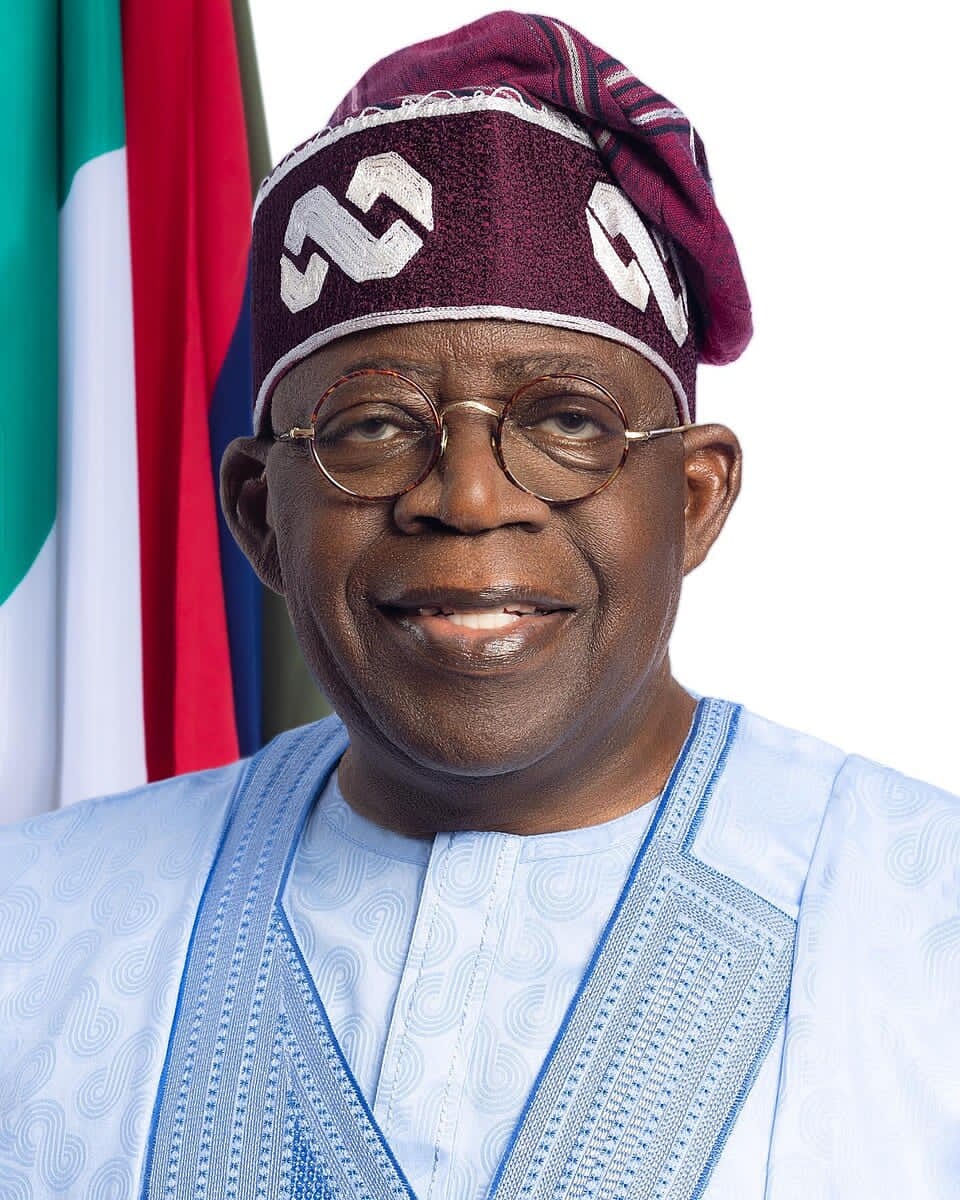
Since assuming office in May 2023, Bola Ahmed Tinubu has faced growing criticism over the direction of Nigeria’s economy, security structure and strategic national assets. Supporters describe his administration as reform-driven and globally connected. Critics, however, argue that Nigeria is drifting deeper into foreign dependency, elite-controlled economics and worsening insecurity.
Across political debates, civil society conversations and open-source intelligence reporting, a recurring concern has emerged: whether Nigeria is gradually surrendering critical sectors of its sovereignty to external powers while ordinary citizens bear the social and economic costs.
Foreign Economic Influence and Tax Administration Concerns
One of the major controversies under the Tinubu administration has been the increasing involvement of foreign-linked consulting and financial technology firms in public revenue systems and tax reform discussions. Critics argue that Nigeria’s tax architecture is becoming increasingly influenced by external interests rather than domestic institutional development.
While there is no verified evidence that France directly “controls” Nigerian tax collection, concerns have emerged over the role of foreign consultants, multinational financial firms and external debt-linked reforms in shaping fiscal policy. These debates intensified amid wider economic hardship triggered by fuel subsidy removal, currency devaluation and inflation spikes.
The argument from critics is not merely about foreign participation, but about dependency: when critical economic systems rely heavily on foreign technical control, Nigeria risks weakening domestic institutional capacity over time.
United States and Expanding Military Cooperation
Nigeria has significantly deepened military cooperation with the United States since 2023, especially in intelligence sharing, counterterrorism operations and military training. Nigerian government officials publicly confirmed plans to deepen bilateral military relations with Washington.
Recent joint operations involving Nigerian and U.S. forces against Islamic State-linked militants in the northeast further highlighted the growing partnership.
Supporters see this as necessary due to the scale of terrorism threats across the Sahel region. Critics, however, warn that excessive reliance on foreign military assistance may undermine long-term national defense independence. They argue that Nigeria risks becoming strategically dependent on foreign intelligence, surveillance technology and military logistics.
For many analysts, the central issue is not cooperation itself, but whether Nigeria is building self-sustaining security institutions or outsourcing strategic capability.
Seaports, Privatization and Foreign Commercial Interests
Nigeria’s port system has increasingly operated through concession arrangements involving foreign-linked operators and multinational logistics companies. Research published in 2024 showed how Nigerian seaports have progressively shifted from public operation toward private concession management.
Critics fear that continuous privatization of critical infrastructure without strong regulatory oversight could weaken national control over maritime trade. Although claims that “Britain has taken over Nigerian seaports” are politically charged and not literally accurate, the broader concern centers on foreign commercial dominance over strategic economic gateways.
Nigeria’s ports remain essential to customs revenue, imports, exports and national security. Any perception that local institutions are losing operational authority naturally feeds public anxiety about sovereignty.
Chinese Expansion in Nigeria’s Refinery Sector
China’s economic footprint in Nigeria has expanded significantly in infrastructure, energy and manufacturing. Open-source reports in 2026 showed Nigeria signing agreements with Chinese firms for refinery rehabilitation after years of failed investments in state-owned refineries.
At the same time, the massive Dangote Group refinery project has relied heavily on Chinese engineering and industrial technology, according to industry discussions and reporting.
Supporters argue that Chinese financing and technology fill gaps left by Western investors unwilling to finance large-scale industrial projects in Africa. Critics counter that Nigeria risks exchanging one form of dependency for another — replacing domestic industrialization with externally controlled infrastructure systems tied to foreign debt and geopolitical influence.
The deeper fear is that future generations may inherit a country whose core industrial assets are technologically and financially dependent on external powers.
Forests, Kidnapping Economies and Jihadist Expansion
Nigeria’s security crisis remains one of the most serious threats to national stability. Vast forest regions across the northwest and central parts of the country have become operational zones for armed bandits, extremist factions and kidnapping networks.
Reuters and Associated Press reporting since 2024 documented repeated mass abductions, attacks on villages and school kidnappings linked to armed groups operating from forest hideouts.
A 2024 National Bureau of Statistics-related report cited by PRNigeria estimated that over 2.2 million Nigerians were abducted between May 2023 and April 2024, with approximately ₦2.23 trillion reportedly paid as ransom during that period.
Security analysts increasingly warn that parts of Nigeria’s forests are evolving into parallel economic zones controlled by armed groups. In some regions, criminal networks allegedly impose taxes, control farming access and extort vulnerable communities. Reports have also highlighted emerging jihadist factions such as Lakurawa in parts of Sokoto State.
The consequences are devastating for poor families. Many households sell farmland, livestock and life savings to pay ransom demands. Entire rural economies are collapsing under fear, displacement and extortion.
Dangerous Politics or Structural Crisis?
Critics of the Tinubu administration argue that the government’s politics rely heavily on elite alliances, centralized power and economic shock policies that disproportionately affect ordinary Nigerians. Rising inflation, unemployment and insecurity have intensified public frustration.
However, supporters argue that many of Nigeria’s problems predate Tinubu and reflect decades of structural failure, corruption, weak institutions and regional insecurity across West Africa.
The reality may lie somewhere in between. Tinubu inherited severe national challenges, but his administration is now being judged by how it responds to them — and whether its solutions strengthen or weaken Nigeria’s sovereignty and social stability.
Implications for Future Generations
The long-term implications could be profound.
If foreign influence continues expanding across taxation, military cooperation, infrastructure and industrial systems without strong local capacity development, future generations may inherit weakened national institutions.
If insecurity continues allowing armed groups to dominate forests and rural communities, Nigeria risks creating permanent zones of criminal governance where violence becomes economically normalized.
If poverty and inflation continue eroding household stability, millions of young Nigerians may grow up disconnected from productive economic opportunities, increasing migration pressures, political unrest and vulnerability to radicalization.
Nigeria stands at a strategic crossroads. The central question is no longer whether foreign powers have interests in Nigeria — every major nation pursues strategic interests. The deeper issue is whether Nigeria’s leadership can engage global powers without sacrificing national autonomy, economic dignity and public trust.
For many Nigerians today, that question remains unanswered.