

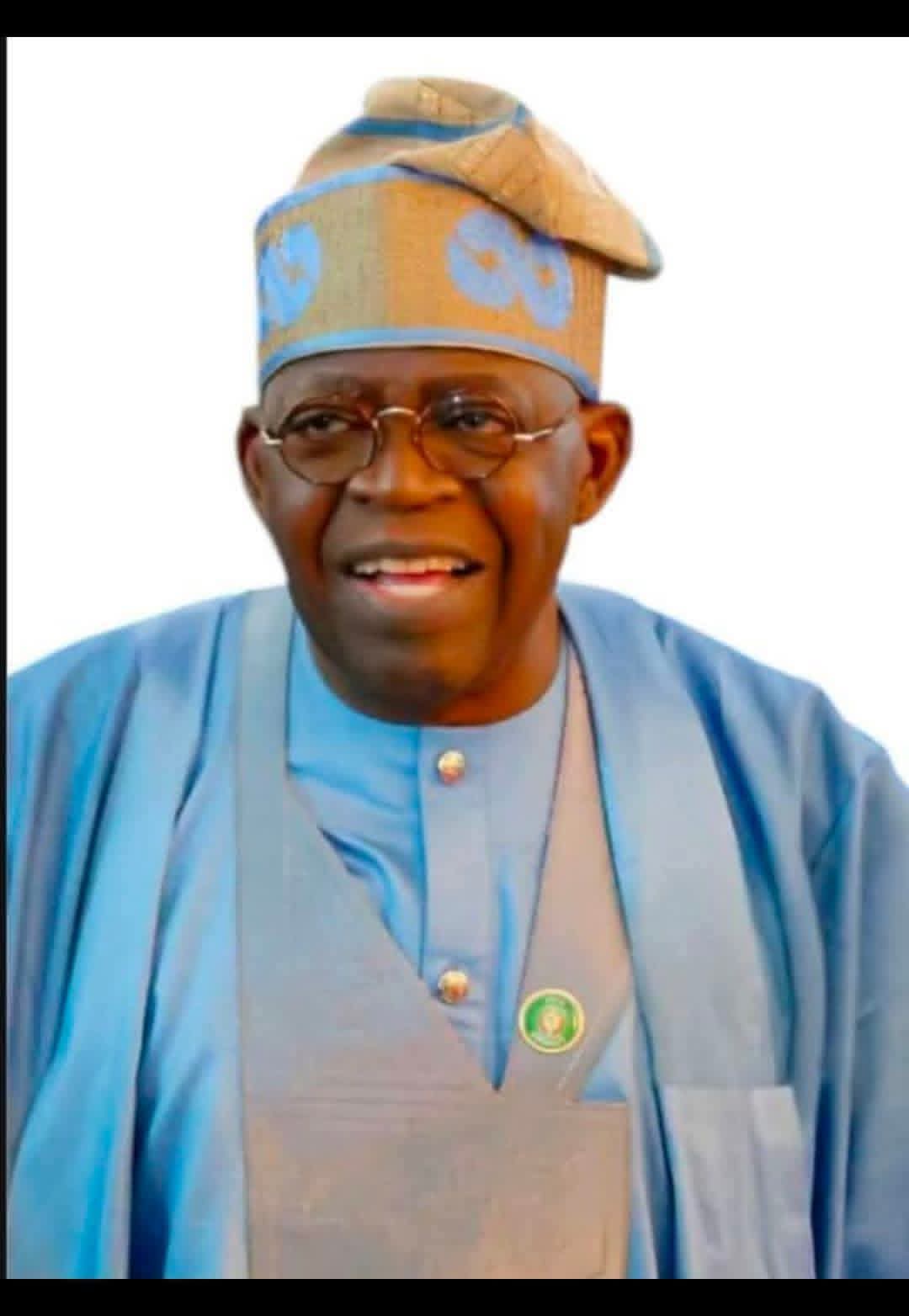
By Our Reporter
As political activities gradually gather momentum ahead of the 2027 general elections, many Nigerians are taking a closer look at the performance of President Bola Ahmed Tinubu’s administration. Across various sectors, stakeholders are evaluating the impact of the government’s policies and reforms on the nation’s economy, governance, and overall development.
Among those expressing support for the President’s re-election bid are members of the grassroots media community. After reviewing what they describe as the administration’s major policy initiatives and structural reforms over the past three years, many grassroots publishers have declared their backing for President Tinubu in 2027, citing efforts aimed at repositioning Nigeria’s economy and strengthening governance institutions.
According to the publishers, although some of the reforms initially brought economic hardship and adjustment challenges, the administration has demonstrated commitment to implementing long-term measures designed to stabilize public finances, improve transparency, and promote sustainable national development.
One of the most significant reforms highlighted is the removal of the fuel subsidy in May 2023. The policy ended a subsidy regime that reportedly consumed trillions of naira annually and was widely criticized for encouraging corruption and fuel smuggling. Supporters argue that resources previously spent on subsidies can now be redirected to critical sectors such as infrastructure, healthcare, education, and security.
The administration’s decision to unify the foreign exchange market has also been cited as a major achievement. By streamlining multiple exchange-rate windows into a more transparent and market-driven system, the government sought to boost investor confidence, attract foreign direct investment, and improve Nigeria’s competitiveness in the global economy.
Observers have equally pointed to improvements in revenue generation and fiscal discipline. Increased non-oil revenues, efforts to reduce fiscal deficits, and a decline in reliance on deficit financing are seen as steps toward building a more sustainable economic framework for the country.
Another achievement frequently mentioned is the strengthening of Nigeria’s foreign reserves, which provides a buffer against external economic shocks and enhances confidence in the country’s financial stability.
In the education sector, the establishment of the Nigerian Education Loan Fund (NELFUND) has expanded access to tertiary education financing, enabling thousands of students to pursue higher education regardless of their financial circumstances.
Supporters of the administration have also applauded its role in advancing local government autonomy. Following the landmark Supreme Court judgment granting financial independence to the nation’s 774 local government councils, efforts have been made to facilitate direct allocation of funds to local governments. Advocates believe this development will deepen grassroots governance, enhance accountability, and accelerate community development.
The increase in monthly allocations from the Federation Account Allocation Committee (FAAC) to states and local governments has likewise been identified as a major milestone. Higher allocations have provided sub-national governments with greater resources to address local needs, including infrastructure, healthcare, education, and security.
On the issue of security, the Tinubu administration has continued to advocate constitutional reforms that could pave the way for the creation of state police while simultaneously strengthening federal security agencies through recruitment and increased funding. Proponents believe these measures could improve local responses to security challenges across the country.
The power sector has also witnessed notable reforms. Through the Electricity Act and related policy measures, the government has encouraged decentralization in electricity generation, transmission, and distribution, creating opportunities for states and private investors to contribute more effectively to solving Nigeria’s energy challenges.
Furthermore, reforms within the Nigerian National Petroleum Company Limited (NNPCL) have focused on improving transparency, accountability, and revenue remittances to the Federation Account, with the aim of ensuring that the country’s oil wealth benefits all tiers of government.
Supporters maintain that while many of these reforms have involved short-term sacrifices, they are laying the foundation for a more productive, self-reliant, and economically resilient Nigeria.
As the nation moves closer to the 2027 elections, the achievements, challenges, and overall impact of these reforms will undoubtedly remain central to public discourse. For many grassroots publishers, however, the reforms undertaken thus far provide sufficient reasons to support President Bola Ahmed Tinubu’s bid for a second term in office.