

By Audrey Omosigho
The worsening economic hardship across Nigeria continues to place enormous pressure on citizens, but in Edo State, one of the most pressing daily challenges confronting residents today is the escalating cost of commercial transportation.
From Benin City to major towns and rural communities across the state, residents now spend a significant portion of their income on transportation alone.
Civil servants, students, traders, artisans, and other low-income earners are increasingly affected by a transport system strained by the rising cost of petrol and diesel.
With petrol currently selling between ₦1,350 and ₦1,500 per litre in many parts of the country, and diesel ranging from ₦1,800to ₦2,000 per litre, commercial transport operators have repeatedly adjusted fares to reflect operational realities. Consequently, the burden has shifted heavily onto ordinary citizens already grappling with inflation, rising food prices, unemployment, and declining purchasing power.
Across Edo State, the concerns expressed by residents remain consistent.
Civil servants now devote a substantial portion of their monthly salaries to commuting expenses. Traders lament that transportation costs significantly reduce profits meant to support their families. Students face daily difficulties paying increased transport fares to schools, while many residents have reduced their movements altogether due to the high cost of transportation.
The situation has become increasingly critical.
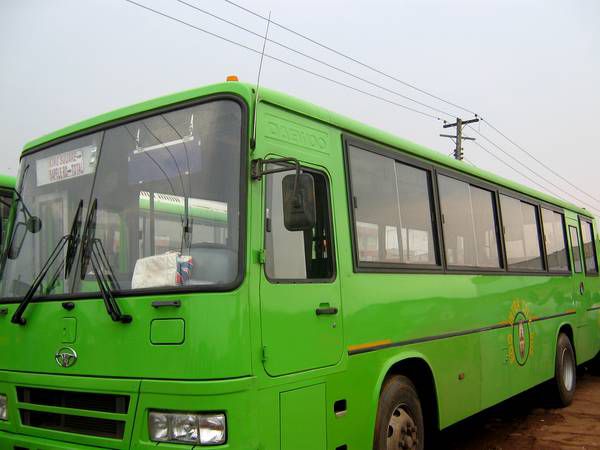
It is for this reason that many Edo citizens are respectfully appealing to Governor Monday Okpebholo to urgently release and deploy the newly acquired 50 Compressed Natural Gas (CNG) buses to alleviate the hardship faced by the people.
Residents insist that the request is both justified and timely.
At a period when Nigerians are experiencing one of the most difficult economic conditions in recent history, the introduction of affordable, government-supported transportation would provide immediate relief for thousands of families. CNG buses are more cost-effective to operate compared to diesel and petrol-powered vehicles, and their integration into the transport system could substantially reduce transportation fares across Edo State.
Residents regard the buses not as political symbolism, but as an essential intervention aimed at mitigating economic hardship. Affordable transportation has a direct impact on every aspect of daily life. As transport costs increase, food prices rise, school attendance declines, businesses suffer setbacks, and access to healthcare becomes more difficult.
Transportation should therefore be regarded not merely as a convenience, but as a critical economic necessity.
While calling for urgent action, citizens have also acknowledged and commended the efforts already undertaken by Governor Okpebholo’s administration in infrastructure development and governance across the state. Many residents recognize the administration’s commitment to development and appreciate ongoing projects.
However, citizens maintain that more immediate, people-centered economic relief measures are necessary.
Particularly noteworthy is the growing public confidence in the Edo City Transport Service (ECTS), popularly known as the Edo Comrade Bus system.
A recent experience shared by Mr. Solomon Taiwo (JP) from Ward 10, Ososo, further reinforced public trust in the management of the agency.
According to Mr. Taiwo, while travelling aboard an ECTS bus from Ososo to Benin City on May 27, 2026, the bus developed a mechanical fault shortly after Sobe Town. Despite the incident, the driver and conductor reportedly acted professionally, while the Managing Director of ECTS maintained direct communication with passengers and ensured that a rescue and technical team arrived promptly.
Such responsiveness and accountability within a public transportation system deserve commendation.
Indeed, this demonstrates the importance of strengthening public transportation in Edo State through adequate funding, expansion, and operational support.
The current economic realities demand urgent intervention from governments at all levels. Citizens are no longer requesting luxuries; rather, they seek practical policies capable of reducing daily hardship and improving living conditions.
The deployment of the 50 CNG buses may not resolve every economic challenge facing the people of Edo State, but it would undoubtedly ease one of the most significant burdens confronting households today.
At a time when many Nigerians are struggling under severe economic hardship, responsive and compassionate governance has become even more essential. The people of Edo State have continued to demonstrate patience and resilience despite prevailing difficulties.
Their appeal to government is straightforward: make transportation affordable and help alleviate the suffering of the people.
The present moment calls for urgency, compassion, and decisive action.
Did you like this feature?