

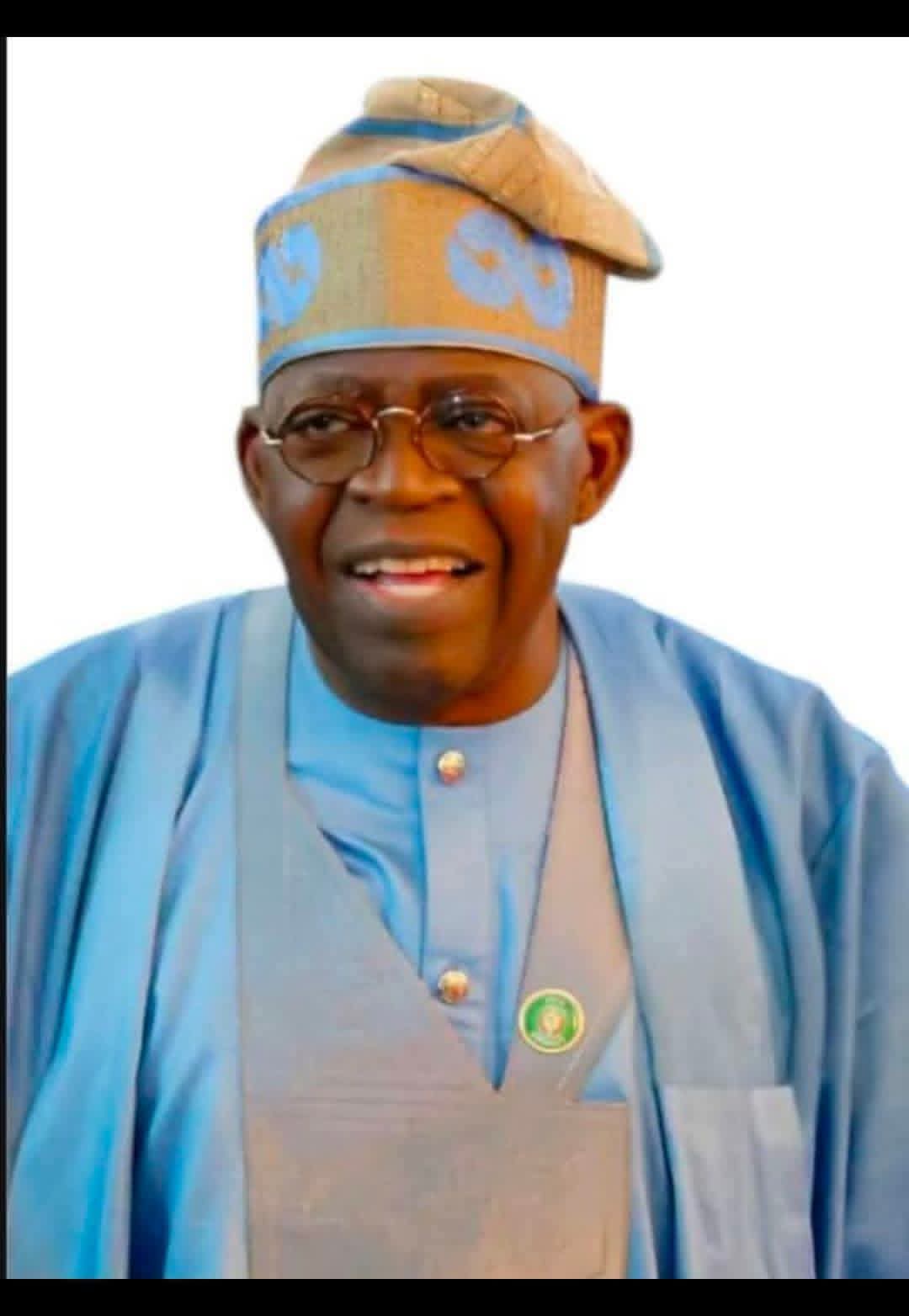
By Our Reporter
As political activities gradually gather momentum ahead of the 2027 general elections, debates over the performance, leadership style, and political future of President Bola Ahmed Tinubu continue to dominate public discourse across Nigeria.
Among his ardent supporters, there is a growing belief that President Tinubu’s political journey has been marked by extraordinary resilience, persistence, and an uncommon ability to overcome political obstacles that would have discouraged many leaders.
According to many of his loyalists, Tinubu’s rise to the highest office in the land was neither accidental nor easy.
They argue that his political career, spanning several decades, has been characterized by intense opposition, political battles, and periods of uncertainty.
Some supporters contend that if the President had emerged from a different political or regional background, his path to power might have been less turbulent. However, they maintain that despite the challenges, he remained steadfast and ultimately succeeded through determination, strategic leadership, and a strong political network built over many years.
The President’s backers often point to his tenure as Governor of Lagos State between 1999 and 2007 as evidence of his leadership capacity. They argue that the transformation witnessed in Lagos during and after his administration laid the foundation for the state’s current status as Nigeria’s commercial hub.
For many within the ruling political establishment, Tinubu’s role in strengthening democratic institutions and nurturing political leaders across the country remains one of his greatest legacies. Several governors, lawmakers, and public office holders are widely regarded as products of the political structure he helped build over the years.
The issue of insecurity, however, remains one of the major challenges confronting the current administration. Recent incidents of kidnapping, banditry, and violent crimes in different parts of the country have continued to generate concerns among citizens and civil society groups.
Nevertheless, supporters of the President insist that the responsibility for addressing insecurity should not rest solely on the shoulders of the Commander-in-Chief.
They argue that state governments, local authorities, security agencies, and community stakeholders all have significant roles to play in tackling the nation’s security challenges.
According to them, the Federal Government has consistently provided funding, equipment, intelligence support, and policy direction to security agencies. They maintain that security operations require collective efforts and that success depends on effective coordination among all stakeholders.
Some political observers who share this view note that while the President sets national security priorities, operational responsibilities are often carried out by military commanders, police authorities, intelligence agencies, and other relevant institutions.
Supporters further argue that despite economic difficulties and security concerns, the administration has continued to implement reforms aimed at stabilizing the economy, improving infrastructure, attracting investment, and strengthening governance structures.
They point to ongoing road projects, railway development, social intervention programmes, and efforts to reform key sectors of the economy as evidence that the administration is focused on long-term national development.
For these supporters, criticism of the government is expected in any democracy.
However, they caution against personal attacks, hate speech, and attempts to politicize every national challenge. They insist that constructive criticism should focus on policy alternatives and practical solutions rather than personal condemnation.
As political alignments begin to take shape ahead of the next electoral cycle, many members of the President’s support base remain optimistic about his chances of securing another mandate from Nigerians.
They believe that his experience, political influence, and ongoing reforms will ultimately strengthen his appeal among voters. More importantly, they argue that history will judge his administration based on the long-term impact of its policies rather than short-term political controversies.
Whether Nigerians will share this assessment at the ballot box remains to be seen.
However, one thing is certain: President Bola Ahmed Tinubu remains one of the most influential and consequential figures in contemporary Nigerian politics, and discussions about his leadership and legacy will continue to shape the nation’s political landscape in the years ahead.