

By Mercy Akuba
The Edo State Government has reiterated its commitment to tackling environmental pollution and climate change through the adoption of cleaner transportation alternatives and stricter emission control measures.
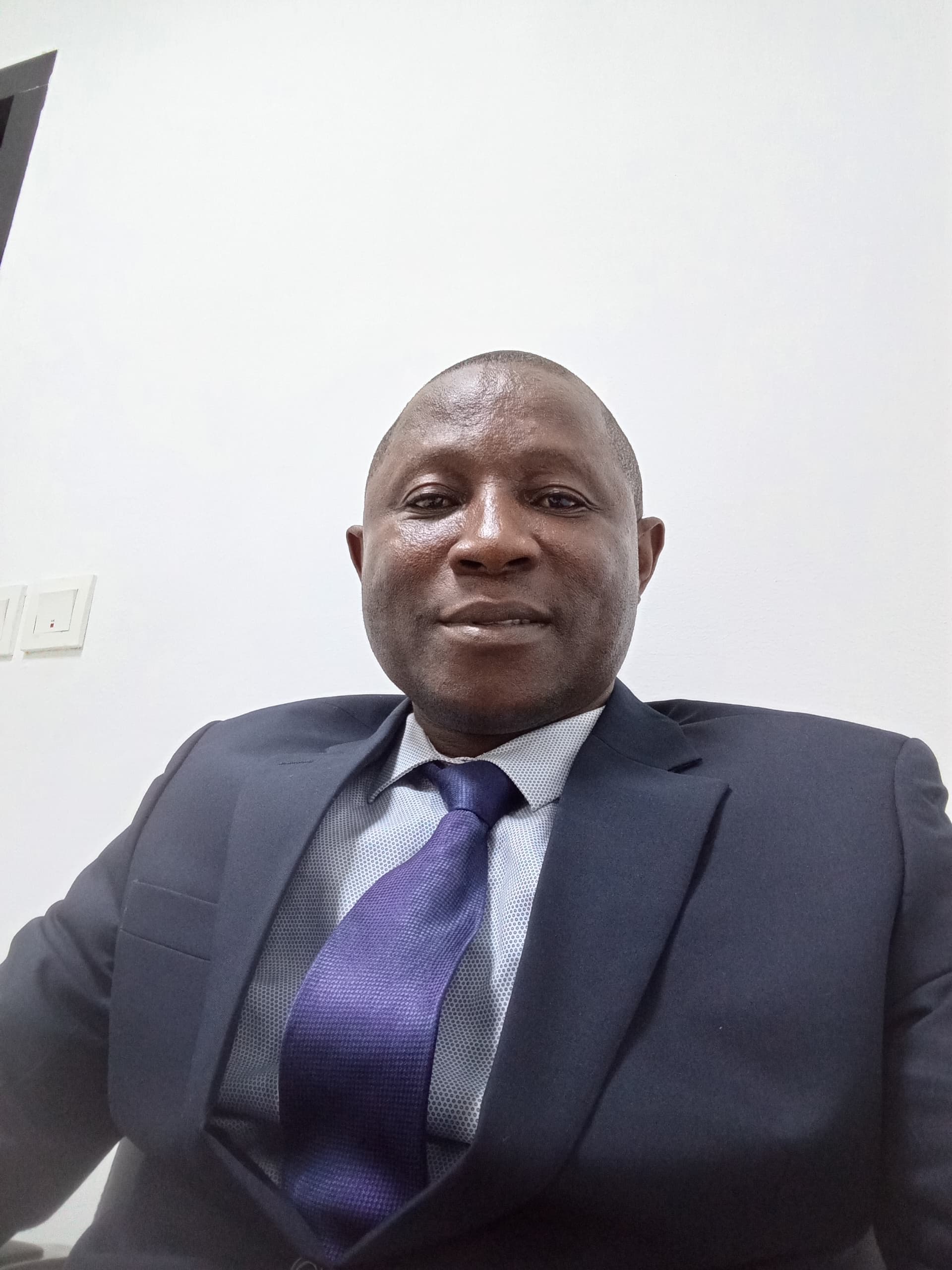
Speaking at a stakeholders’ meeting organized by NNPC Exploration and Production Limited (NEPL) as part of activities marking the 2026 World Environment Day, the Permanent Secretary, Edo State Ministry of Transportation, Dr. Samson Erhaze, who represented the Commissioner for Transportation, Hon. Saturday Uwuilekhue highlighted the growing threat posed by vehicular emissions to the environment and public health.
Addressing participants on the theme, “Vehicular Emissions: Effects, Control and Challenges in the Transport Sector of Edo State,” Dr. Erhaze described transportation as a vital driver of economic activities in the state, facilitating the movement of people, goods, and services across urban and rural communities.
He, however, noted that the sector remains one of the fastest-growing contributors to air pollution due to increasing vehicle ownership, aging vehicle fleets, poor maintenance culture, and heavy dependence on fossil fuels.
According to him, vehicular emissions release harmful pollutants such as carbon monoxide, nitrogen oxides, particulate matter, and carbon dioxide into the atmosphere, contributing significantly to global warming and climate instability.
He said that Edo State is already experiencing some of the consequences of climate change, including rising temperatures, erratic rainfall patterns, increased flooding incidents, and declining air quality, particularly in densely populated urban centres such as Benin City.
Dr. Erhaze identified several challenges responsible for worsening emission levels in the state’s transport system, including the prevalence of old and inefficient vehicles, irregular vehicle servicing, lack of routine emissions testing, inconsistent fuel quality standards, weak enforcement of emission regulations, and increasing traffic congestion.
He also pointed out that the over dependence on private vehicles due to inadequate public transportation contributes significantly to congestion and environmental pollution.
The Permanent Secretary applauded Governor Monday Okpebholo for taking proactive steps to address the challenge through the procurement of over 50 Compressed Natural Gas (CNG) buses, with more than 100 additional buses being expected in the State soon.
“Recently, in a bid to address these concerns, the Edo State Government procured over 50 CNG buses, while more than 100 additional buses are on their way to Edo State.
This is a step in the right direction, and we appreciate the commitment of Governor Monday Okpebholo towards promoting environmentally friendly transportation,” he said.
Dr. Erhaze stressed that addressing vehicular emissions requires a coordinated multi-stakeholder approach involving government agencies, transport operators, oil and gas companies, and the general public.
He recommended the strengthening of vehicle emissions testing and compliance enforcement, promotion of cleaner fuels and alternative energy vehicles such as CNG and electric vehicles, expansion and modernization of public transportation systems, improved traffic management, and sustained public awareness campaigns on vehicle maintenance.
He further called for enhanced collaboration among relevant stakeholders to achieve sustainable environmental management and reduce the impact of transportation-related emissions on climate change.
The stakeholders’ engagement formed part of activities commemorating the 2026 World Environment Day, aimed at promoting environmental sustainability and raising awareness about the need for collective action against climate change.