

By Mercy Akuba
As Nigeria battles persistent security challenges ranging from banditry and kidnapping to communal clashes, cultism, human trafficking, and violent extremism, increasing attention is being drawn to a powerful yet often underutilized force in the quest for peace and security—women.
Across communities, women occupy strategic positions as mothers, caregivers, educators, traders, farmers, religious leaders, and community mobilizers.
These roles place them at the centre of family and community life, giving them unique opportunities to identify early warning signs of insecurity and contribute significantly to peacebuilding efforts.
Women are often the first to observe behavioural changes among children and youths, including signs of drug abuse, gang involvement, radicalization, or other tendencies that may lead to criminal activities.
Through their daily interactions in homes, markets, schools, places of worship, and social gatherings, they gather valuable information that can help prevent crimes and support timely intervention by security agencies.
Their contribution to community intelligence gathering cannot be overstated. By virtue of their close connection to families and neighbourhoods, women often possess critical knowledge about developments within their communities, making them important partners in crime prevention and conflict management.
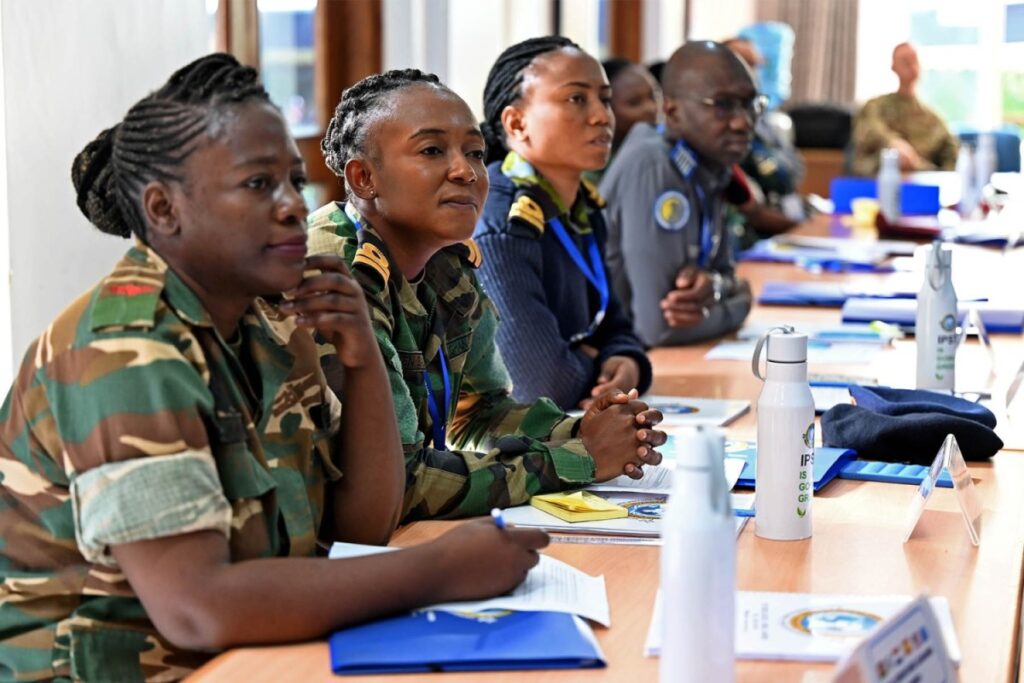
Beyond their roles at the grassroots, women serving in Nigeria’s security agencies have continued to demonstrate professionalism, courage, and leadership.
Their achievements underscore the need for greater inclusion of women in strategic and decision-making positions within the nation’s security architecture.
The influence of women extends beyond security intelligence.
As primary caregivers and nurturers, they play a crucial role in shaping values and attitudes within the family—the bedrock of society. By instilling discipline, tolerance, respect for the rule of law, and peaceful conflict resolution, women help raise responsible citizens and reduce the conditions that often breed crime and violence.
Women have also proven to be effective mobilizer of social change. Through women’s associations, market unions, faith-based groups, and civil society organizations, they promote security awareness, advocate peaceful coexistence, and encourage citizens to report suspicious activities.
Across Nigeria, women’s groups have led campaigns against cultism, drug abuse, domestic violence, and human trafficking, helping to strengthen community resilience against insecurity
History equally demonstrates that women are powerful agents of peace.
Their natural inclination toward dialogue, mediation, and reconciliation often positions them as effective bridge-builders in divided communities.
In many conflict-prone areas, women have played vital roles in fostering understanding among families, ethnic groups, and religious communities, helping to prevent disputes from escalating into violence.
This recognition is reflected in the United Nations Security Council Resolution 1325 on Women, Peace and Security, which highlights the importance of women’s participation in conflict prevention, peace negotiations, peacebuilding, and post-conflict recovery.
Nigeria’s adoption of a National Action Plan on the resolution further underscores the need to strengthen women’s involvement in peace and security processes.
Despite these contributions, women remain significantly underrepresented within the Armed Forces and other security institutions.
Deep-rooted cultural stereotypes, gender discrimination, and male-dominated workplace structures continue to limit their recruitment, advancement, and access to leadership positions.
For many years, women were largely excluded from combat and technical roles due to perceptions that such responsibilities were better suited to men.
Although progress has been made with the inclusion of women in combat units, military aviation, and officer training programmes, barriers to career progression persist.
To build a more effective and inclusive security sector, these obstacles must be addressed. Women who are willing and qualified to serve in combat, intelligence, and technical roles should be given equal opportunities to do so.
Security institutions must create enabling environments that support merit, professionalism, and career advancement regardless of gender.
Recognizing women’s agency also requires deliberate efforts to appoint more women to leadership positions and broaden their participation beyond traditionally assigned roles.
Their skills, expertise, and perspectives are valuable assets that can enhance operational effectiveness and institutional performance.
A truly reformed security sector is one that reflects inclusion, diversity, and fairness.
Integrating gender-sensitive policies into recruitment, promotion, training, and leadership development will not only advance equality but also strengthen Nigeria’s capacity to respond to evolving security challenges.
The role of women in fighting insecurity and promoting peacebuilding in Nigeria cannot be overstated.
From nurturing responsible citizens and gathering community intelligence to mediating conflicts and serving within security institutions, women remain indispensable to the nation’s peace and stability.
Empowering and fully integrating women into peace and security efforts is not merely a matter of inclusion; it is a strategic necessity for building a safer, stronger, and more peaceful Nigeria.